
Solar Batteries – Home & Business Battery Storage
Hunter Valley, Newcastle, Central Coast & Sydney
How a Solar Battery Works
During the day, your solar panels power the home first. Any extra power charges the battery instead of being exported to the grid for a small feed-in credit. Once the sun goes down, the battery powers the home until it runs low, and only then do you draw from the grid.
The result is that more of the electricity you use comes from your own panels. That matters because the feed-in tariff you're paid for exported solar is usually a fraction of the price you pay for grid power in the evening.
Is a Solar Battery Worth It?
A battery is most worthwhile if:
-
you use a lot of power in the evening and overnight (cooking, heating and cooling, pool pumps, electric hot water, EV charging)
-
your solar exports a lot of power during the day for a low feed-in tariff
-
you want backup power during blackouts
-
you're on a time-of-use tariff with expensive evening rates.
A battery suits you less if you use most of your power during the day while the sun is shining, or if your solar system is too small to fill a battery. We look at your usage before recommending one, and we'll tell you if a battery doesn't make sense for you.
What Size Battery Do You Need?
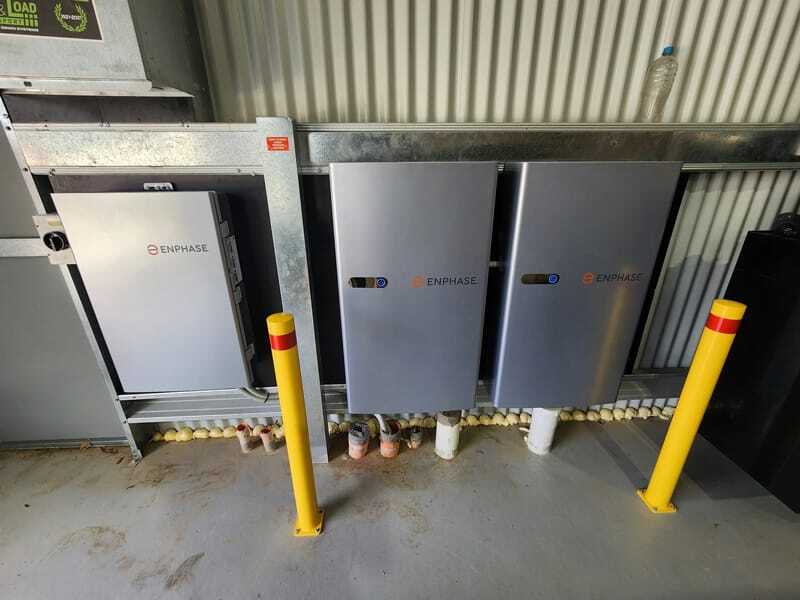
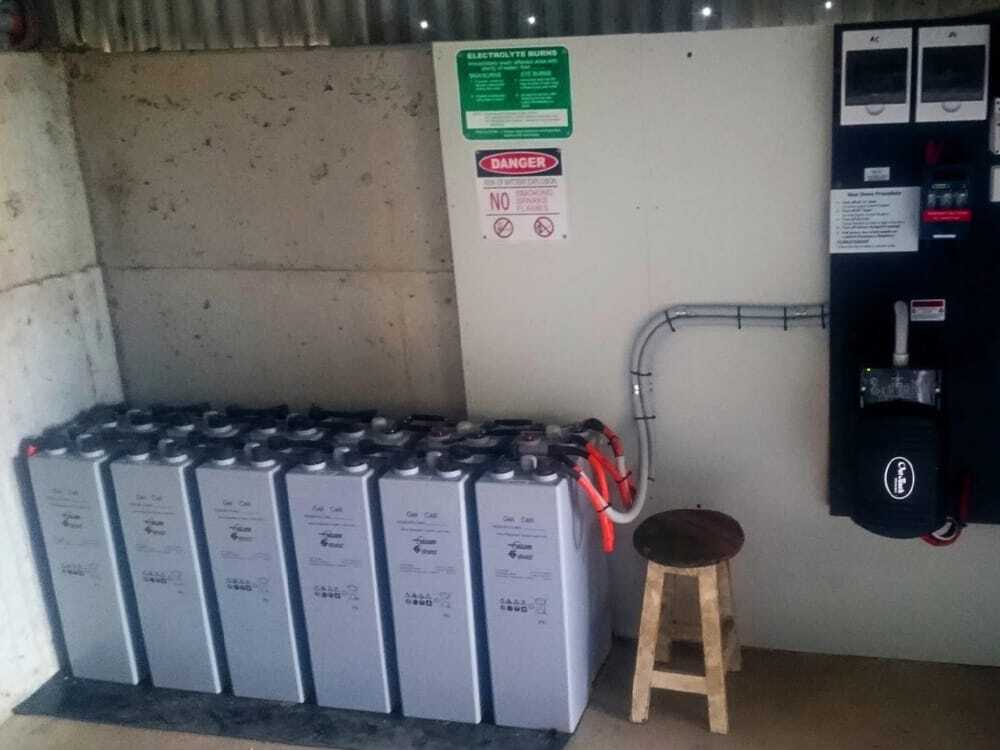
The best starting point is how much power you use between late afternoon and the next morning. Smart meter data from your retailer shows this. We then match the battery to:
-
your evening and overnight use
-
how much spare solar your panels produce to charge it
-
whether you want backup power, and for which circuits
-
your plans for an EV, pool or other new loads.
Battery size also affects the rebate. Under the federal program, the first 14 kWh of usable capacity earns the full rate, capacity from 14 to 28 kWh earns 60%, and capacity from 28 to 50 kWh earns 15%. A bigger battery isn't always better value, so we show you the numbers for more than one size.
Adding a Battery to Your Existing Solar
Most homes with solar can add a battery. There are two main ways:
-
**AC-coupled:** the battery has its own inverter and sits alongside your existing solar inverter. This suits most older systems and keeps your current inverter in place.
-
**Hybrid inverter:** your solar inverter is replaced with a hybrid unit that runs both the panels and the battery. This often makes sense if your current inverter is old, faulty or out of warranty.
We check your existing inverter, panels and switchboard first, then recommend the simpler and better-value option. A battery added to existing solar still qualifies for the federal battery rebate.
Backup Power During Blackouts
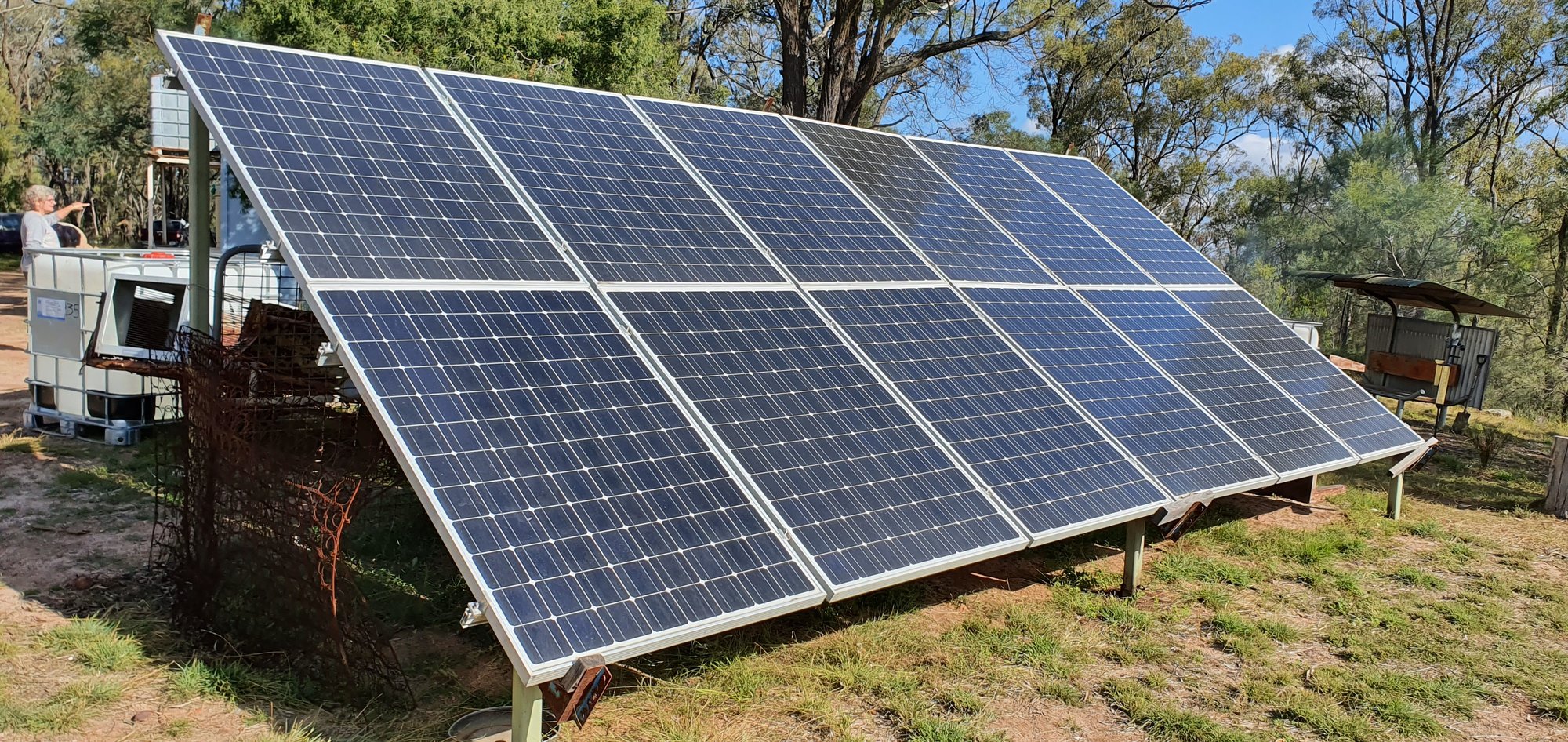
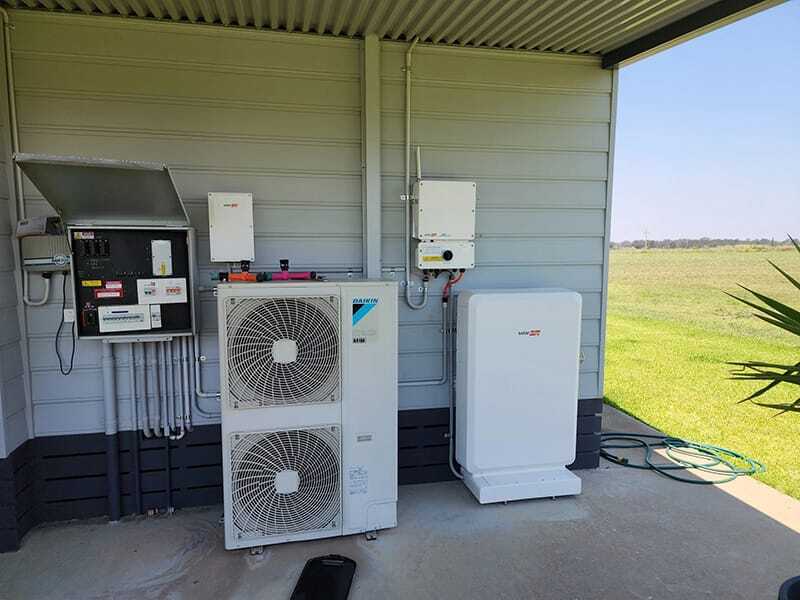
Not every battery keeps the lights on in a blackout. Backup needs the right inverter and switching equipment to safely disconnect your home from the grid. Systems are set up in one of two ways:
-
**Essential circuits:** selected circuits, such as the fridge, lights, internet and some power points, stay on.
-
**Whole-home backup:** the whole house stays powered, within the battery's output limits.
If backup matters to you, tell us early. It changes the equipment we specify and how the switchboard is wired.
The Battery Rebate
The federal Cheaper Home Batteries Program takes a discount off the price of an eligible battery. It's applied to your quote, not paid back as cash. For a battery installed by **31 December 2026**, the discount is 6.8 certificates per kWh of usable capacity, so a 10 kWh battery earns 68 certificates, roughly $2,500–$2,700 at recent prices. From **1 January 2027** the rate drops to 5.7 per kWh (57 certificates for the same battery). The installation date sets the amount, not the date you sign.
To qualify, the battery must be on the Clean Energy Council's approved list, be capable of joining a virtual power plant and be installed by an accredited installer.
Solar Batteries Across the Hunter Valley, Newcastle, Central Coast & Sydney
MV Solar installs batteries throughout our service areas:
Frequently Asked Questions About Solar Batteries
Is a solar battery worth it?
A solar battery is most worthwhile if you use a lot of power in the evening and overnight and export a lot of solar during the day for a low feed-in tariff. The federal battery rebate covers a significant share of the cost, which shortens the payback. Homes that use most of their power during the day get less from a battery, so we model your usage before recommending one.
How much does a solar battery cost after the rebate?
The price depends on the battery's usable capacity, whether you need a new inverter, whether you want backup power and any switchboard work. For a battery installed by 31 December 2026, the federal rebate on a 10 kWh battery is 68 certificates, roughly $2,500–$2,700 at recent prices, and it comes straight off your quote. MV Solar's quotes show the full price, the rebate and what you pay.
What size solar battery do I need?
Size your battery to your evening and overnight electricity use, which your smart meter data shows, and to how much spare solar your panels produce to charge it. The federal rebate pays the full rate on the first 14 kWh of usable capacity, 60% from 14 to 28 kWh and 15% from 28 to 50 kWh, so a larger battery isn't always better value.
Can I add a battery to my existing solar panels?
Yes, in most cases. A battery can be added alongside your current inverter (AC-coupled) or with a new hybrid inverter that runs both the panels and the battery. The right choice depends on the age and model of your inverter and your switchboard. A battery added to existing solar still qualifies for the federal rebate.
Will a solar battery keep my power on during a blackout?
Only if the system is set up for backup. Backup needs the right inverter and switching equipment to disconnect your home from the grid safely, and it can cover selected essential circuits or the whole home. Not every battery installation includes backup, so ask for it when you get a quote.
How long do solar batteries last?
Many quality batteries come with a 10-year warranty, and with proper installation and care a quality battery may keep operating for around 15 to 20 years. Usable capacity slowly declines over time, so check what capacity the warranty guarantees at the end of its term, not just the number of years.
Where can a solar battery be installed at my home?
Usually in a garage or on a suitable outside wall. The Australian battery installation standard, AS/NZS 5139, doesn't allow home batteries in living areas or bedrooms, ceiling spaces, wall cavities or under stairs, and requires clearance from exits and from windows to living areas. We confirm a compliant location during the site assessment.
Do I have to join a virtual power plant to get the battery rebate?
No. To qualify for the federal rebate, a battery must be capable of joining a virtual power plant, but joining one is optional. A VPP can earn you credits or a better rate in return for letting a retailer draw on your battery at times of high demand, so it's worth comparing offers once your battery is installed.
Ready to Add a Solar Battery?
Whether you're adding a battery to an existing solar system or planning a new solar and battery system, MV Solar can show you the right size, the rebate and what you'll pay. Call 02 6547 1100, email energy@mvsolar.com.au or request a quote online.
